





Steel beams are fundamental components in construction and engineering, offering strength, durability, and versatility. Their ability to support heavy loads makes them an indispensable element in various structural applications. One crucial aspect of using steel beams is how they are connected.
Proper connections ensure structural stability and safety, which is why understanding the various types of steel beam connections is essential for engineers and builders. In this article, we will delve into the different types of steel beam connections, their characteristics, advantages, and disadvantages.
Bolted connections
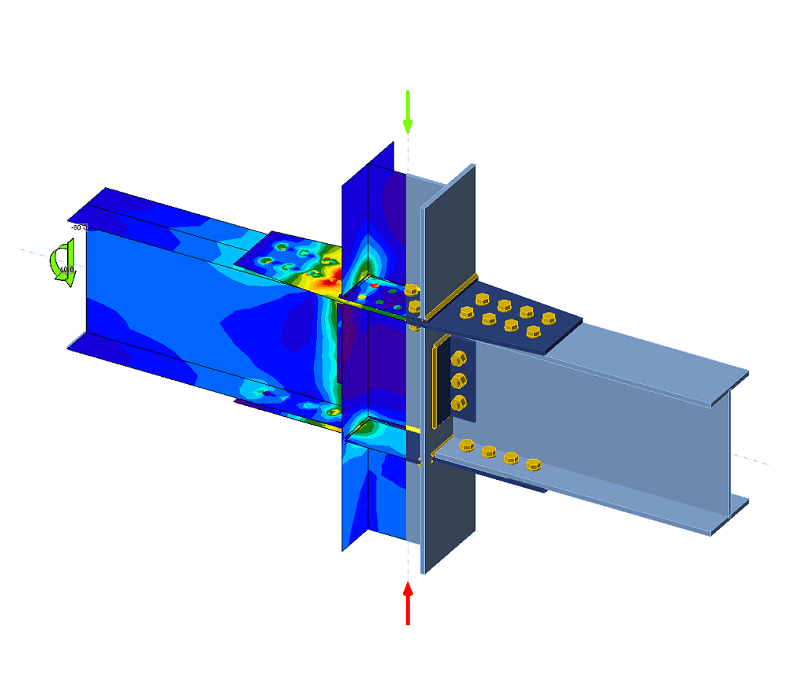
Bolted connections are among the most common methods used to connect steel beams. These connections involve the use of bolts, nuts, and washers to secure two or more steel members together. There are several subtypes of bolted connections:

1. Simple shear connections
In simple shear connections, the beams are connected end-to-end with bolts passing through holes in the flanges or web of the beams. These connections transmit shear forces between the beams. Simple shear connections are quick to assemble and disassemble, making them suitable for temporary structures.
2. Flexible connections
Flexible connections allow a certain degree of movement between the connected beams. They are commonly used in situations where thermal expansion or vibrations need to be accommodated. Flexible connections reduce stress concentrations, enhancing the overall structural integrity.
3. Rigid connections
In rigid connections, the beams are connected in such a way that they behave as a single unit. This type of connection is used when it is necessary to transfer moments as well as shear forces between beams. Rigid connections are often more complex and require precise fabrication and installation.
Advantages of bolted connections:
- Quick to assemble and disassemble.
- Accommodate thermal expansion and vibrations.
- Cost-effective for simple shear connections.
Disadvantages of bolted connections:
- Rigid connections can be complex and expensive.
- Bolts may need periodic maintenance and inspection.
Welded connections
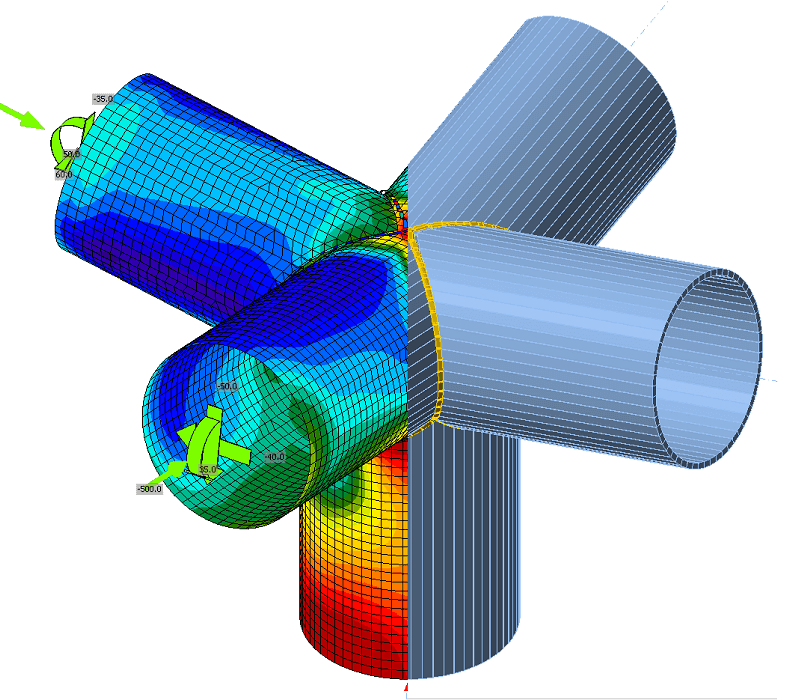
Welding is another widely used method for connecting steel beams. In welded connections, the beams are joined by melting the ends of the beams and fusing them together. There are several types of welded connections:
1. Fillet welds
Fillet welds are the most common type of weld used in steel beam connections. They create a triangular cross-section of weld material along the joint. Fillet welds are versatile and can be used for both shear and moment connections.
2. Groove welds
Groove welds involve preparing the edges of the beams with a groove or bevel before welding. This type of connection provides greater strength than fillet welds and is often used in heavy structural applications.
3. Plug and slot welds
Plug and slot welds are used to connect the flanges of steel beams. They involve welding plugs or slots in one beam to the holes in the other beam's flange.
Advantages of welded connections:
- High strength and stiffness.
- Efficient in transferring both shear and moment forces.
- Durable and low maintenance.
Disadvantages of welded connections:
- Requires skilled welders.
- Difficult to disassemble or modify.
- Susceptible to cracking under certain conditions.
Riveted connections
Riveted connections were once a common method for joining steel beams, but they have largely been replaced by bolted and welded connections. In riveted connections, steel plates are joined by inserting a red-hot rivet into a hole and then hammering it to form a head on the opposite side. While riveted connections are less common today, they still have some advantages.
Advantages of riveted connections:
- Historically proven to be durable and reliable.
- Provide a unique aesthetic appeal in historic structures.
Disadvantages of riveted connections:
- Labour-intensive and time-consuming.
- Difficult to inspect and maintain.
- Limited to certain historical or architectural applications.
Moment connections
Moment connections are designed to transfer bending moments in addition to shear forces between steel beams. These connections are crucial in structures where stability and resistance to lateral loads are essential, such as high-rise buildings and bridges. There are two primary types of moment connections:

1. Full-penetration moment connections
In full-penetration moment connections, the beams are connected using full-penetration welds, which extend through the entire cross-section of the beams. These connections provide maximum strength and stiffness.
2. Partial-penetration moment connections
Partial-penetration moment connections use welds that do not fully penetrate the beams' cross-section. These connections are less stiff than full-penetration connections but are quicker to fabricate and inspect.
Advantages of moment connections:
- Provide structural stability and resistance to bending moments.
- Essential for tall buildings and structures subjected to lateral loads.
Disadvantages of moment connections:
- Complex design and fabrication.
- May require specialised materials and inspection.
Choosing the right connection
The choice of steel beam connection type plays a pivotal role in determining the overall structural integrity, safety, and efficiency of a building or structure. Engineers and builders must carefully consider the specific requirements of a project, including load-bearing capacity, flexibility, and resistance to lateral forces, when selecting the appropriate connection method.
Bolted connections, with their ease of assembly and flexibility, are often suitable for a wide range of applications. Welded connections, on the other hand, offer high strength and durability, making them ideal for heavy-duty structures. Riveted connections, although less common today, have historical significance and are still used in certain architectural contexts. Moment connections are indispensable in situations where structural stability and resistance to bending moments are critical, such as high-rise buildings and bridges; however, they require careful design, fabrication, and inspection.
Each connection type has its advantages and disadvantages, and the choice should be based on the specific needs and demands of the structure in question. By making informed decisions about steel beam connections, professionals can construct safe, efficient, and durable buildings and infrastructure.
Designing steel beam connections to code
Whichever connection type a project calls for, each one must still be designed and verified against the governing code — and comparing options quickly is where dedicated connection software earns its keep.
The tool for this

Code-check any steel connection to AISC & Eurocode.
Model welded, bolted and moment connections on the real geometry with CBFEM — clear pass/fail results and a full report in minutes.


