





Detailing of reinforcement in concrete structures is a critical aspect of construction engineering that ensures the structural integrity, durability, and safety of buildings and infrastructure.
Reinforcement detailing involves the specification of the type, size, quantity, and placement of reinforcement bars (rebars) within concrete elements to resist applied loads, prevent cracking, and enhance structural performance. This article explores the importance of reinforcement detailing, key considerations in the process, and best practices to achieve optimal results in concrete construction projects.
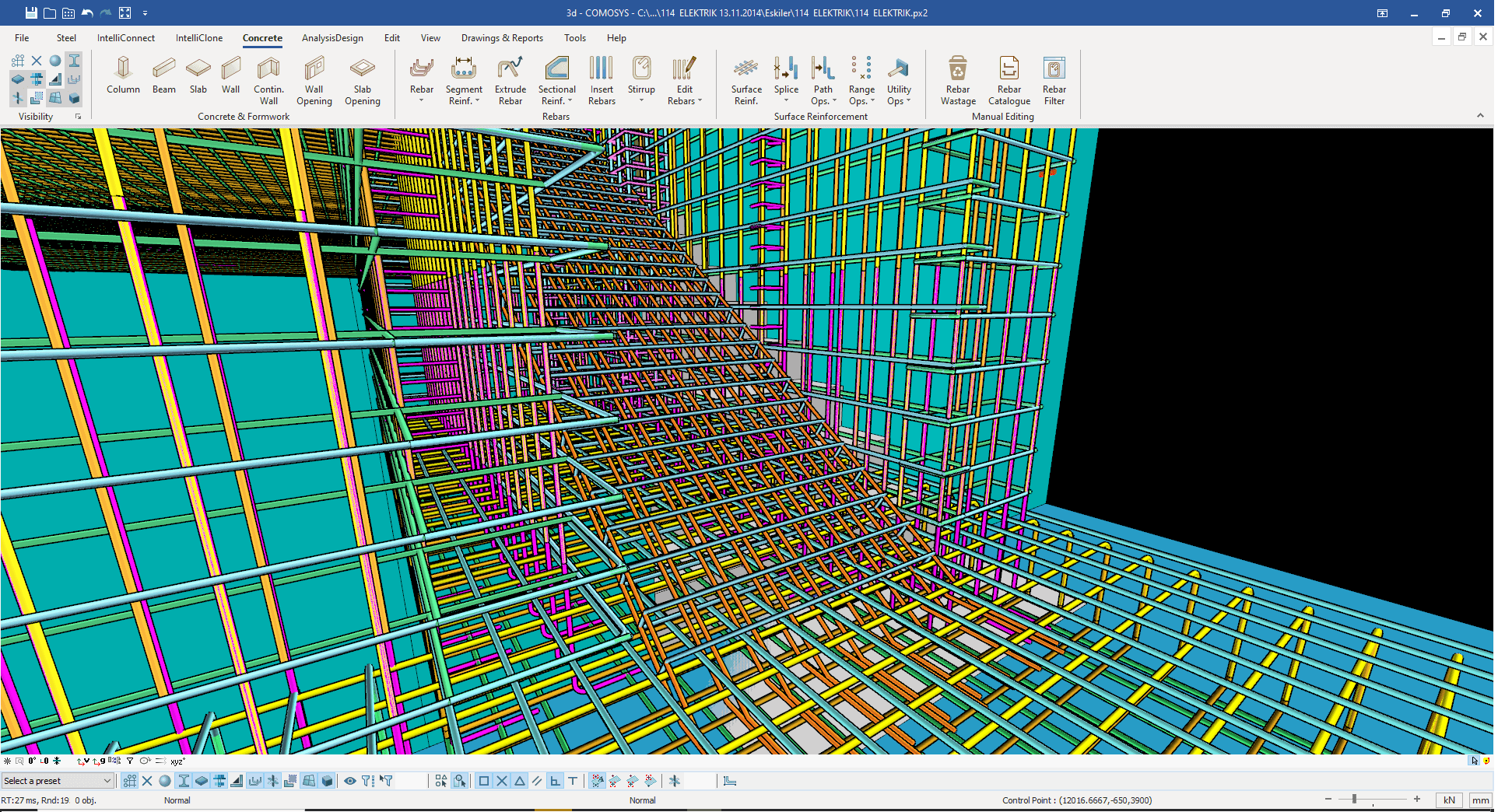
Importance of reinforcement detailing
Reinforcement detailing plays a pivotal role in ensuring the structural stability and performance of concrete elements, such as beams, columns, slabs, and foundations.
By providing adequate reinforcement, engineers can effectively distribute loads, control cracking, and enhance the ductility and strength of concrete structures. Proper detailing also helps mitigate the risk of structural failure, corrosion, and serviceability issues over the lifespan of the building or infrastructure.
Key considerations in reinforcement detailing
- Structural design requirements: Reinforcement detailing should align with the structural design specifications, including load calculations, material properties, and design codes or standards. Engineers must consider factors such as dead loads, live loads, seismic forces, and environmental conditions when determining the required reinforcement quantities and configurations.
- Bar scheduling and placement: Accurate bar scheduling involves specifying the dimensions, grades, bending shapes, and spacing of rebars according to design drawings and specifications. Engineers must ensure proper placement of rebars within concrete elements to achieve the desired structural performance, including adequate cover thickness, clear spacing, and lap lengths.
- Development length and anchorage: Reinforcement detailing should address the requirements for development length and anchorage to ensure effective transfer of forces between rebars and concrete. Proper anchorage ensures that rebars are securely embedded within the concrete matrix to resist tensile, shear, and torsional forces under various loading conditions.
- Structural integrity and durability: Reinforcement detailing should consider factors that affect the structural integrity and durability of concrete structures, such as shrinkage, temperature variations, chemical exposure, and environmental degradation. Engineers must specify appropriate concrete mixes, protective measures, and corrosion-resistant coatings to enhance the long-term performance and service life of reinforced concrete elements.

Best practices in reinforcement detailing
- Collaboration and communication: Effective collaboration between structural engineers, architects, contractors, and detailing professionals is essential to ensure accurate interpretation and implementation of design intent. Clear communication of design requirements, specifications, and revisions helps minimise errors and discrepancies during the detailing process.
- Utilisation of advanced software tools: The use of advanced software tools and Building Information Modelling (BIM) technology facilitates efficient reinforcement detailing, 3D modelling, clash detection, and quantity take-offs. Software platforms enable engineers to visualise, analyse, and optimise reinforcement layouts with precision and accuracy.
- Compliance with industry standards: Reinforcement detailing should adhere to relevant industry standards, codes, and guidelines, such as the American Concrete Institute (ACI), Eurocode, British Standards (BS), and Indian Standards (IS). Engineers must stay updated on the latest code requirements and best practices to ensure compliance and regulatory approval for construction projects.
- Quality control and inspection: Regular quality control checks and site inspections are essential to verify compliance with reinforcement detailing drawings, specifications, and tolerances. Contractors should conduct visual inspections, dimensional checks, and non-destructive testing (NDT) to confirm the proper installation, alignment, and integrity of rebars before pouring concrete.
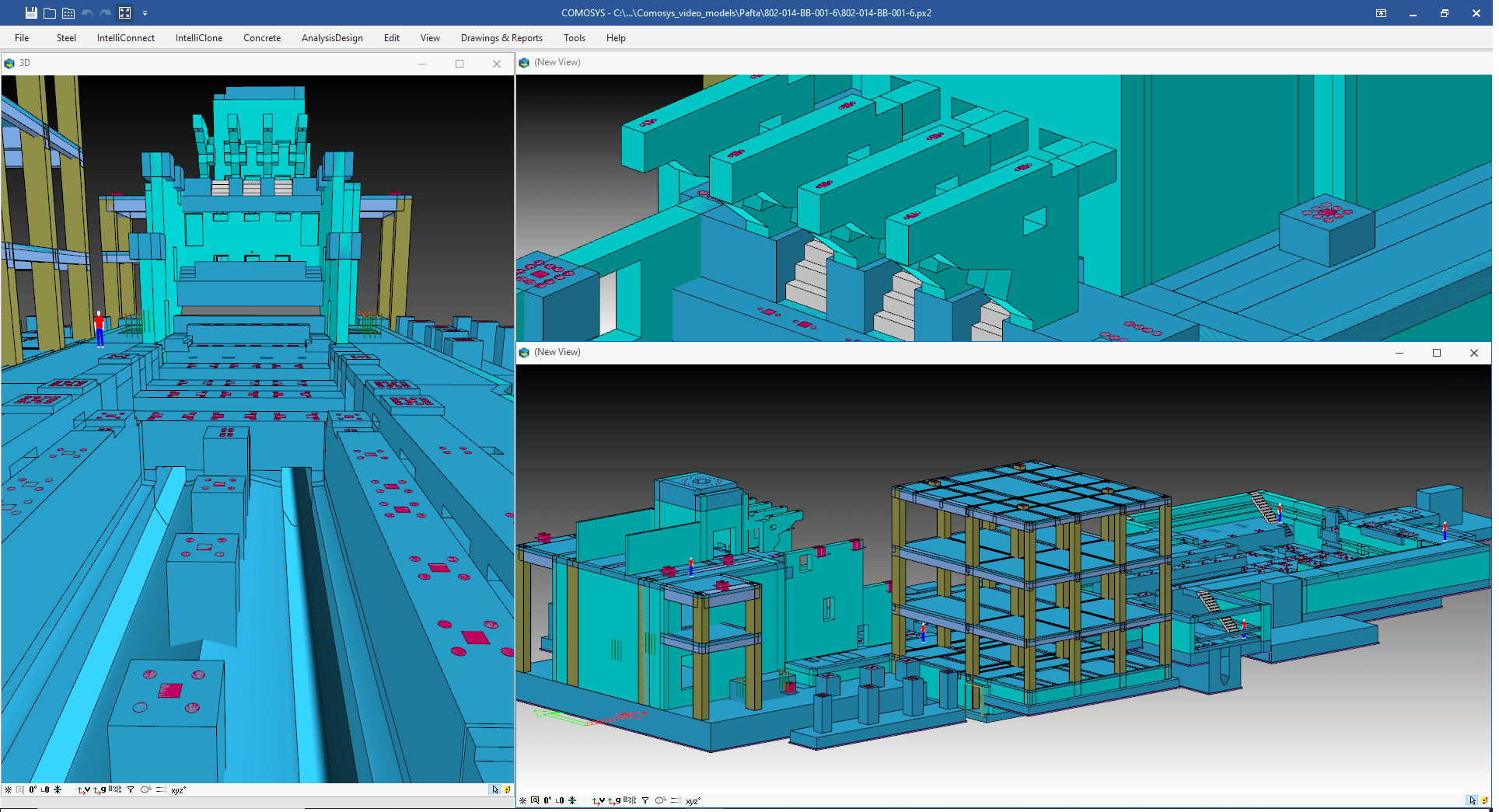
In conclusion, detailing of reinforcement is a fundamental aspect of concrete construction that requires careful planning, coordination, and attention to detail. By following best practices, collaborating effectively, and leveraging advanced technologies, engineers can optimise reinforcement layouts, enhance structural performance, and ensure the long-term durability and safety of concrete structures. Reinforcement detailing serves as a cornerstone of engineering excellence, contributing to the resilience and sustainability of the built environment.
Moving reinforcement detailing onto a dedicated platform removes much of the manual effort behind bar scheduling, drawing production and revision control.
The tool for this

Steel & concrete detailing, automated.
Generate rebar layouts, bar bending schedules and fabrication-ready drawings from a single model, consistent and code-compliant.
FAQs
What is reinforcement detailing?
Reinforcement detailing is the specification of the type, size, quantity, and placement of rebars in concrete to resist loads and prevent cracking.
Why is reinforcement detailing important?
It ensures structural stability, distributes loads, controls cracking, and enhances the ductility and strength of concrete elements like beams and columns.
What is included in bar scheduling?
Bar scheduling involves specifying the dimensions, grades, bending shapes, and spacing of rebars based on design drawings and specifications.
How does detailing affect structural durability?
Proper detailing accounts for shrinkage, temperature changes, and chemical exposure, utilising appropriate concrete mixes and protective measures to prevent corrosion.
Which software tools are used for reinforcement detailing?
Advanced software platforms assist with bar scheduling, 3D modelling, and clash detection to produce accurate, fabrication-ready reinforcement layouts.
What standards govern reinforcement detailing?
Detailing must adhere to codes such as the American Concrete Institute (ACI), Eurocode, British Standards (BS), and Indian Standards (IS).


