





Pier caps sit atop vertical supports such as columns or piers, serving as protective covers while adding a measure of architectural refinement to a structure's appearance. Beyond their appearance, pier caps fulfill functions that are critical to structural integrity — this article covers their role, design variety, and where they are used.
Key functions
Pier caps act as protective shields, guarding the vulnerable tops of columns or piers from moisture infiltration, weathering, and other environmental factors that could compromise their integrity over time.
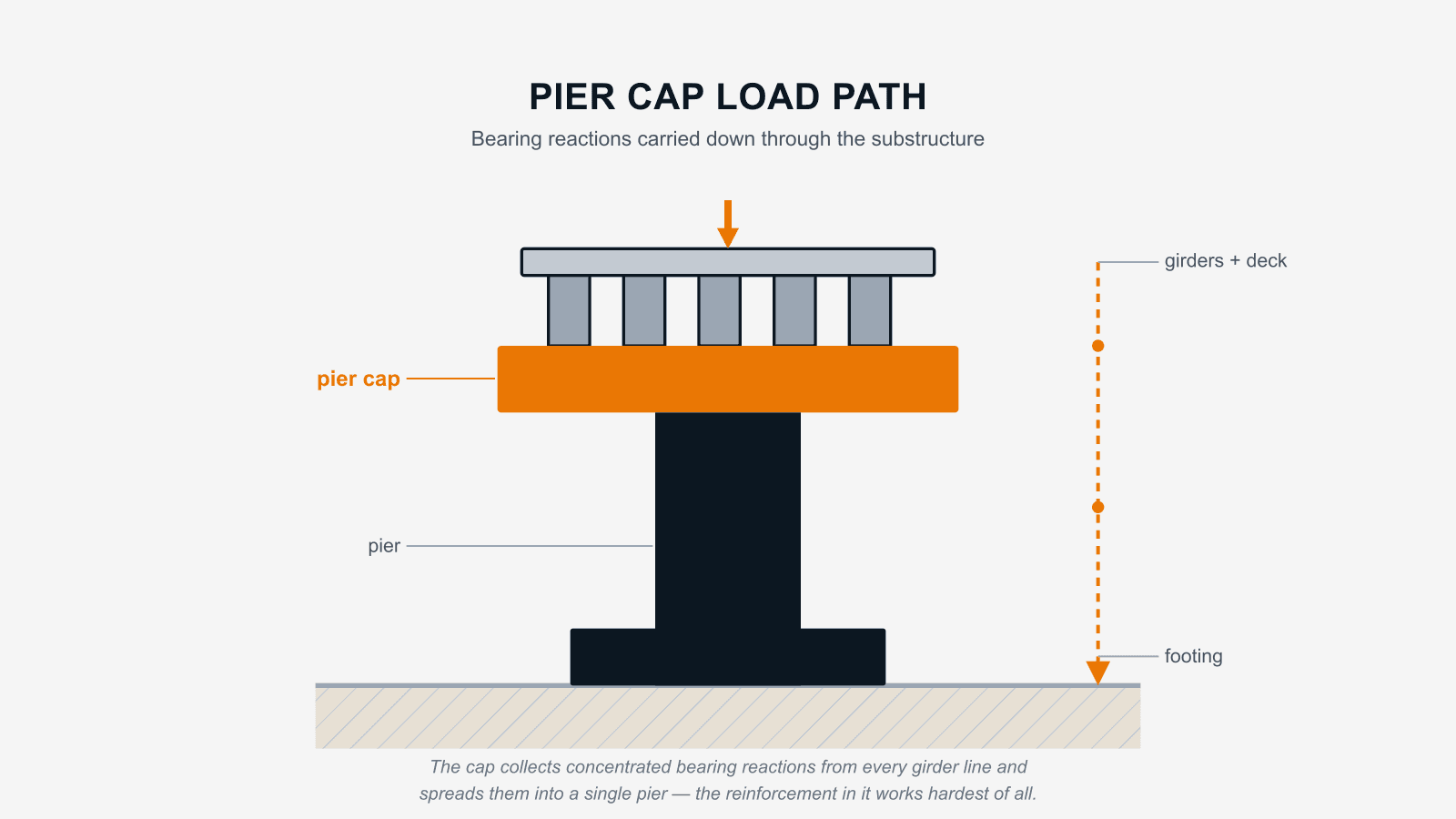
They also serve as load-bearing elements, distributing the weight of the structure above evenly across the support and reducing the risk of cracking or deformation in the column below. In addition, a pier cap provides a smooth transition between the column and the structure it supports, improving the visual continuity of the design.
Design varieties
The design possibilities for pier caps range from understated geometric shapes to intricately detailed forms. Common materials include concrete, stone, marble, and precast architectural elements — each offering a distinct balance of cost, durability, and aesthetic character.
| Material | Key characteristics |
|---|---|
| Concrete | Cost-effective, versatile, straightforward to customize |
| Stone | Durable, weather-resistant, traditional appearance |
| Marble | High-end appearance, natural veining |
| Precast | Standardized, faster to install |
Concrete pier caps are widely used for their versatility and ease of customization — they can be molded into a range of shapes and sizes, and can imitate the appearance of natural stone or incorporate patterns and textures. Stone pier caps are valued for durability and weather resistance, from smooth finishes to carvings drawing on historical motifs.
Marble pier caps are typically reserved for prestigious buildings and monuments, where their natural veining and finish support a higher-end presentation. Precast architectural elements offer a practical option for architects and contractors, providing standardized profiles that install quickly and can still be customized to project requirements.
Contemporary applications
Pier caps remain integral components of facades, entrances, and outdoor spaces across residential and commercial construction. In infrastructure, pier caps appear on bridges, overpasses, and other public structures, where they combine a structural function with a finished appearance.
Advances in materials and manufacturing have expanded the design options available for pier caps, allowing for shapes, textures, and finishes beyond what traditional methods could produce — without changing the underlying job the pier cap does: protecting the support below it and carrying load cleanly into the structure above.
Detailing pier cap reinforcement
A pier cap carries heavily concentrated bearing reactions from every girder line it supports, which makes the reinforcement inside it — transverse ties, hanger bars, and confinement steel around each bearing — some of the most congested on the structure. That congestion has to be resolved in detailing, before bars are cut and bent, or clashes surface on site instead.
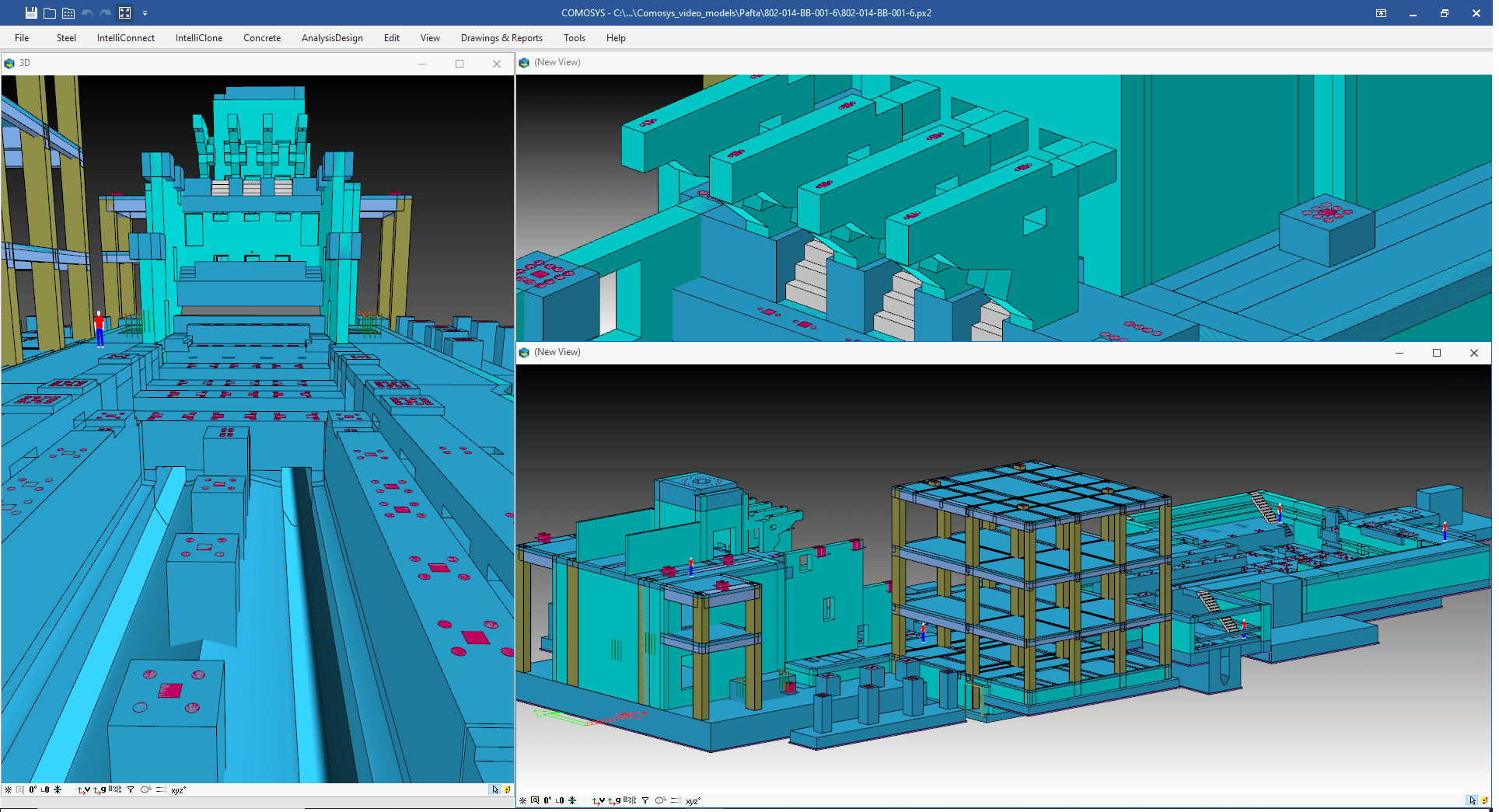
That coordination is what keeps a pier cap's reinforcement buildable once cast, not only correct on a drawing.
The tool for this

Steel & concrete detailing, automated.
Generate rebar layouts, bar bending schedules and fabrication-ready drawings from a single model, consistent and code-compliant.
FAQs
What are the primary functions of pier caps?
Pier caps protect against moisture and weathering, act as load-bearing elements that distribute weight, and provide a smooth visual transition for columns.
Why are concrete pier caps widely used?
Concrete pier caps are cost-effective, versatile, and can be molded into a range of shapes and sizes, including finishes that imitate natural stone.
What architectural purpose do pier caps serve?
Beyond structural support, pier caps add refinement to a structure's appearance and improve the visual continuity of the design.
What materials are pier caps made from?
Common materials include concrete, stone, marble, and precast architectural elements, each offering different durability and aesthetic characteristics.
Where are marble pier caps typically found?
Marble pier caps are most often found on prestigious buildings and monuments, where they support a higher-end appearance.
Are pier caps used in modern architecture?
Yes — pier caps remain integral in contemporary residential and commercial developments, enhancing facades, entrances, and outdoor spaces, as well as bridges and public infrastructure.


