





AI in structural engineering is past the speculation stage. Optimisation engines already size whole steel buildings from tender parameters, and engineering software is opening its APIs so AI assistants can build models, run analyses and pull results directly.
What matters for a practising engineer is not the label but the mechanism. AI reaches structural work through two distinct routes — intelligence built into the software, and assistants connected to the software — and they change day-to-day practice in different ways.

Route one: AI built into the software
The most mature applications embed optimisation and rule-driven intelligence in the tool itself:
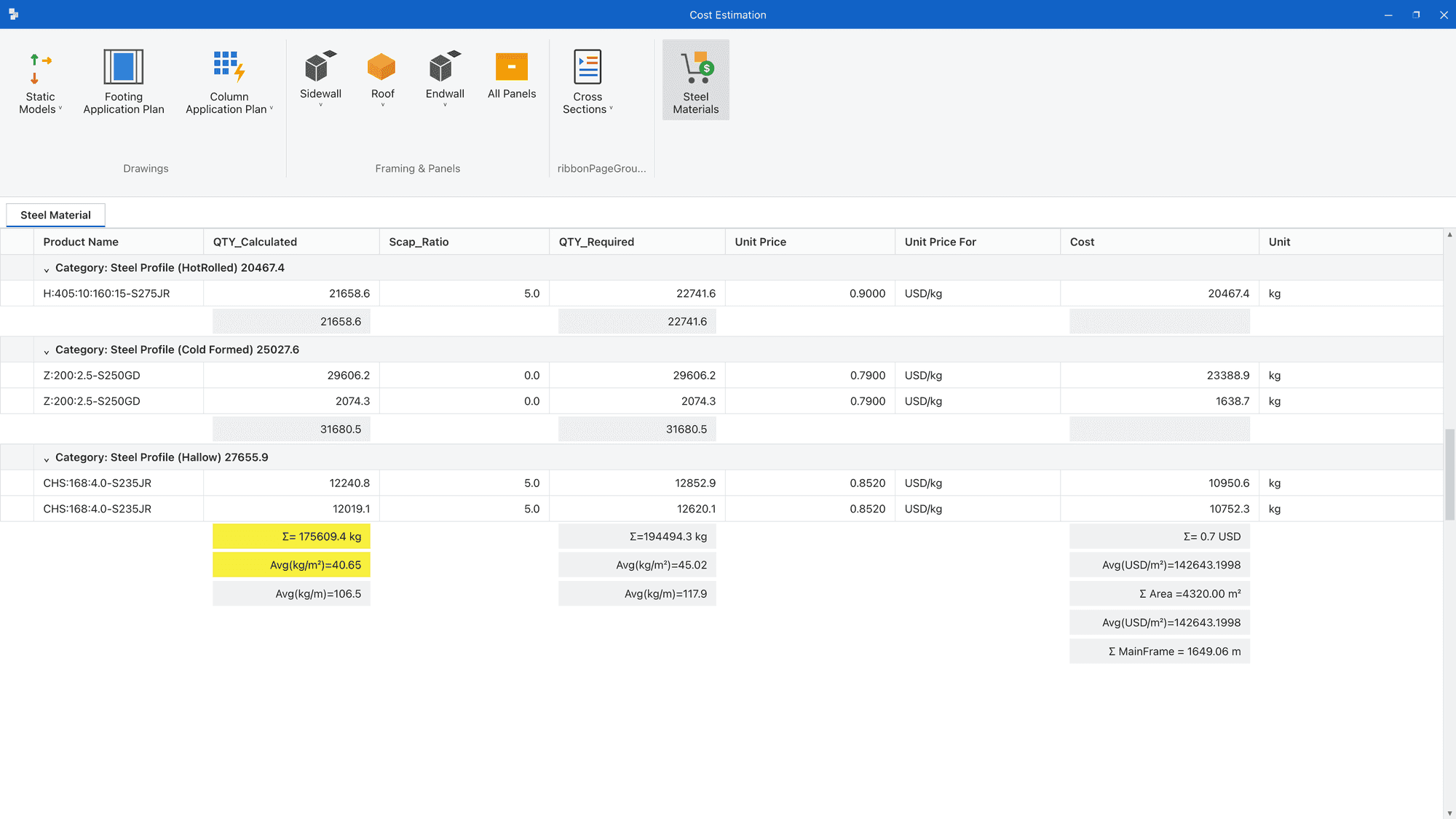
- Generative sizing. Give the engine spans, bays, loads and code, and it searches the design space for the lightest frame that passes — work that once took a designer days of iteration. In PEB design this is already the production workflow: the estimate, analysis and drawings all derive from one optimised model.
- Design-space search. Optimisation handles the tedium of trying hundreds of section combinations; the engineer sets constraints and judges the result.
- Pattern checks. Trained models flag anomalies — a member utilisation out of family, a connection type inconsistent with its neighbours — the way a senior engineer's eye does on review.
The engineering judgment does not move into the machine. What moves is the iteration loop: the tool proposes, the engineer disposes.
Route two: AI connected to the software
The newer development is engineering tools exposing open APIs and scripting interfaces that AI assistants can drive. Structural analysis packages, connection design tools and geotechnical FE software increasingly accept scripted instructions — which means an assistant can, under an engineer's direction:
- build or modify a model from a description of geometry and loading,
- run the analysis or code-check and read back the governing results,
- batch parametric studies that would be tedious by hand,
- extract results into reports, comparisons and design records.
The engineer stays the operator; the assistant becomes a fast pair of hands on the software's own API. The practical ceiling today is set less by the AI than by which tools expose their functionality to be driven — a reason open APIs are becoming a real selection criterion when firms choose software.
What this changes in practice
| Task | Without AI | With AI in the loop |
|---|---|---|
| Preliminary PEB sizing | Days of manual iteration | Minutes from tender parameters |
| Parametric studies | A handful of cases, hand-run | Broad sweeps, scripted |
| Repetitive modelling | Engineer's time | Assistant-driven via API |
| Design review | Fully manual | Anomaly flags + engineer judgment |
| Documentation | Manual assembly | Generated from the model, reviewed |
The limits that keep the engineer in charge
- Responsibility is not transferable. Codes, clients and law hold a named engineer responsible for the design. AI output enters the design the same way a junior's calculation does — after review.
- Training data is not your project. Models generalise from what they have seen; unusual structures, local practice and site constraints are exactly where generalisation fails.
- Verification still rules. The habit that catches AI errors is the same one that catches human errors: independent checks, sanity numbers, and understanding the load path before trusting any tool's answer.
The direction is clear enough: intelligence inside the tools keeps deepening, and open APIs are turning assistants into competent operators of the software engineers already use. The firms that benefit first are the ones whose tools can be driven.
The tool for this

Design pre-engineered steel buildings in minutes.
Design portal frames, size members, detail connections and prepare estimates for PEB and single-storey steel structures — fast.
FAQs
Is AI replacing structural engineers?
No. AI compresses iteration — sizing, parametric studies, drafting, documentation — but the engineering responsibilities that define the role remain human: setting the design basis, judging constraints, reviewing results and signing the design. Responsibility is legally and professionally non-transferable.
What is the difference between built-in AI and connecting a tool to AI?
Built-in AI lives inside the software — an optimiser that sizes a building from tender parameters, for example. Connecting to AI means the software exposes an open API or scripting interface that an external assistant drives: building models, running analyses and reading results under the engineer's direction.
Where does AI help most in structural engineering today?
Highly rule-governed, iteration-heavy work: pre-engineered building design, member sizing optimisation, parametric studies, quantity take-offs and report generation. These have clear constraints and measurable outcomes, which is where optimisation and automation are strongest.
What should firms look for in software if they want to use AI?
An open API or scripting interface. Tools that can be driven programmatically can be operated by assistants and integrated into automated workflows; closed tools limit AI's role to whatever the vendor builds in.


